
The New Driving Laws & Rules Coming In 2026
Jessica Bird | Wednesday 14th January 2026 9:13am

Each new year brings updates to laws and policies that shape how the UK’s roads function, influencing everything from road rules to driver behaviour.
From electric vehicle taxes and drink driving to digital driving licences and theory tests, there’s a long list of planned changes for 2026. These updates affect everyone, from learners and seasoned motorists to EV owners and company car drivers.
Staying informed will help you avoid penalties, stay safe, and understand your responsibilities behind the wheel. Here's what to expect in the year ahead.
1. Digital driving licences
The UK government is continuing its digital transformation, with a full rollout of digital driving licences expected by 2027. A pilot scheme launched in late 2025, allowing drivers to access their credentials via a new GOV.UK Wallet app on smartphones and other devices.
While physical licences remain valid, drivers will be encouraged to keep their digital information updated, including address and medical details. Not doing so could result in fines or issues with enforcement.
Initially, digital licences will be optional, but they represent a shift towards a more streamlined, tech-led experience for motorists.
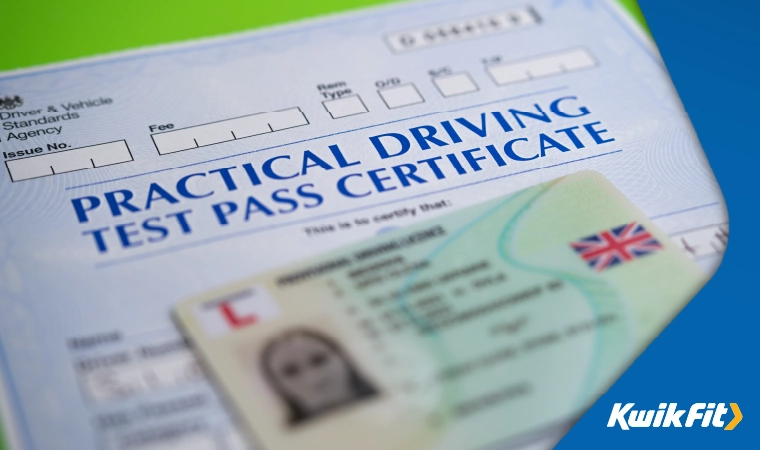
2. Big practical driving test changes learners
Several significant updates are being introduced to driving tests in 2026, changing the process that learners and instructors have grown used to. Here’s a summary:
- Minimum learning period: proposals are in motion to introduce a mandatory learning period before candidates can take their practical test, aiming to improve road safety and driver experience.
- Fewer routine stops on tests: driving tests will soon include fewer 'normal stops' (reduced from 4 to 3), spending more time on faster roads.
- Reduced emergency stops: the infamous emergency stop manoeuvre will be less common, featuring in only 1 in 7 tests rather than 1 in 3.
- Longer independent driving time: The independent driving section is doubling from 10 to 20 minutes, reinforcing real-world driving confidence.
3. Additional theory test question topics
Learner drivers will soon be tested on key emergency response topics as part of the theory test. These updates are designed to improve overall driver awareness and safety at the roadside. New question areas include:
- Basic CPR principles
- Use of Automated External Defibrillators (AEDs)
- Roadside emergency response awareness
The inclusion of these topics aims to equip new drivers with potentially life-saving knowledge, contributing to safer roads for everyone.
4. A crackdown on booking driving tests
To reduce the backlog and prevent unfair practices, new booking rules are being introduced from spring 2026:
- Only the learner driver can book and manage their test. Now, driving instructors and third parties are no longer allowed to book on their behalf.
- Learners will be limited to two changes per test booking. Further changes require a cancellation and rebooking. #
- Test centre location changes must be close to the original booking, discouraging bulk booking in quiet areas with the intention of swapping.
These changes aim to make the process fairer and reduce the high demand in busy centres.
5. New electric vehicle taxes
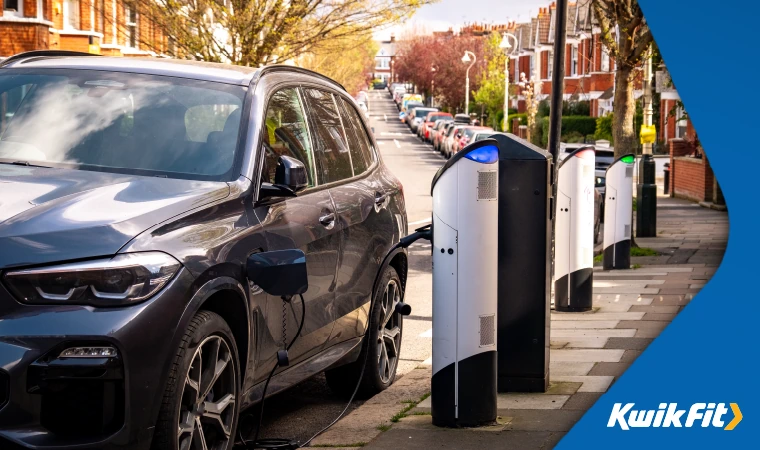
As of the 1st of April 2025, EVs are no longer fully exempt from road tax. Owners will need to pay an annual tax of £195 from the vehicle's second year on the road.
In 2026, further taxes will be added to the list of expenses for EV owners. A new road pricing scheme may be introduced, charging EV drivers around 3p per mile to compensate for lost fuel duty revenue.
Find out more in our guide to new EV taxes.
EV luxury tax threshold increasing
Taxes on luxury electric vehicles are increasing, but so are the thresholds - meaning that fewer drivers will be impacted by the higher rates. The tax now applies to vehicles worth £50,000 or more (instead of £40,000).
6. Fuel duty will rise
From September 2026, the government plans to end the 5p-per-litre fuel duty discount introduced during the cost-of-living crisis. This means higher prices at the pump for petrol and diesel drivers.
Read our guide, ‘How To Spend Less Money On Fuel’, to learn some handy tips for cutting back when fuelling up.
7. Company car tax rates are going up
Company car tax will increase. Benefit-in-Kind (BiK) rates for electric company cars will rise from 3% to 4%, while rates for higher-emission vehicles may reach as much as 37%.
8. ANPR usage set to increase
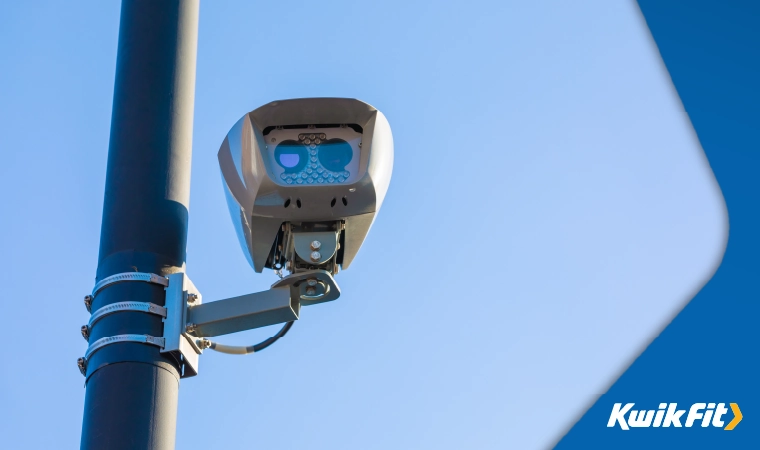
Automated Number Plate Recognition (ANPR) camera usage is being expanded by police and enforcement agencies, to catch untaxed or untested vehicles. Driving without a valid MOT, tax, or registration could lead to fines - and even invalidate your insurance.
Don’t get caught out - subscribe to our MOT reminder service.
9. Motability Scheme changes
The Motability Scheme is a UK program allowing disabled people to exchange their qualifying mobility allowance (like PIP or DLA) for a new car, wheelchair-accessible vehicle (WAV), scooter, or powered wheelchair. The costs of insurance, servicing, maintenance, and breakdown cover are also included in this scheme.
Luxury cars will be removed from the Motability Scheme in 2026, and from July, VAT and insurance costs will rise for Advance Payment vehicles. However, Wheelchair Accessible Vehicles (WAVs) will remain exempt from these increases.
10. Emissions regulation tighten
From November 2026, all new cars and vans sold must comply with the Euro 7 emissions standard. These regulations are aimed at reducing harmful pollutants like nitrogen oxides (NOx) and particulate matter from petrol and diesel engines.
The Euro 7 standard is more stringent than its predecessor and will apply to both internal combustion engines and hybrid vehicles.
In addition to exhaust emissions, the rules also consider particulate pollution from tyres and brakes. Vehicle manufacturers will be required to fit advanced onboard monitoring systems to ensure vehicles remain within legal emission limits throughout their lifespan.
11. Changes to drink driving limits
England and Wales are expected to lower the legal alcohol limit to 50mg per 100ml of blood (reduced from 80mg), aligning with Scotland and most of Europe. This aims to reduce accidents due to drink driving and demand higher standards of control for those behind the wheel.
12. Stricter safety standards for older drivers
Drivers over 70 may be required to pass a compulsory eyesight test to retain their licence, as part of a push to increase safety for older motorists.
13. London Congestion Charges rising
As of January 2026, London’s Congestion Charge has increased to £18 per day (or £21 if paid within 3 days of travel).
Cleaner Vehicle Discount changing
From 2 January 2026, London’s long-standing Cleaner Vehicle Discount (CVD) is being overhauled. This discount has historically given fully electric vehicles a 100 % exemption from the Congestion Charge. Previously, eligible EV drivers could enter the Congestion Charge zone without paying the daily fee, provided they registered for the CVD. That exemption officially ended on the 25th of December 2025.
Electric vehicles now receive a 25% discount (paying £13.50 daily), while commercial vans and HGVs can get up to 50% off (paying £9.00 daily) under updated Cleaner Vehicle Discount rules. These changes are designed to reduce emissions and manage traffic volumes.
14. Stricter seatbelt laws and penalties
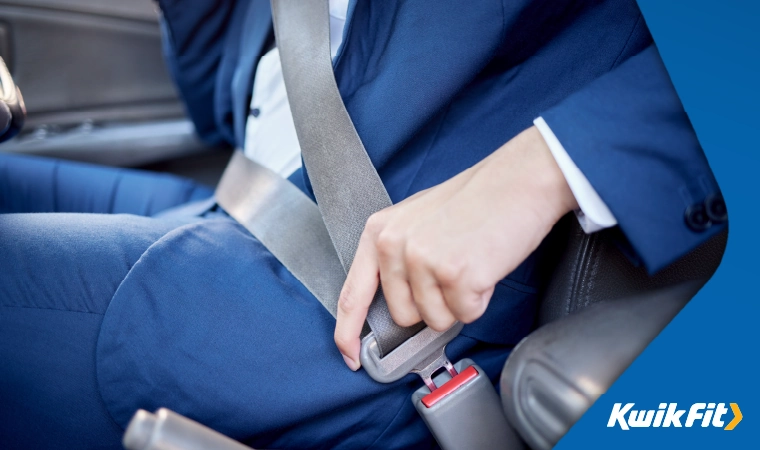
Penalties for not wearing a seatbelt will become harsher as part of a broader push to improve road safety.
While it’s already against the law for drivers and passengers to travel without wearing a seatbelt where one is fitted, the penalties for non-compliance are being increased to make the consequences more meaningful, and to deter careless behaviour.
Under the updated rules:
- Drivers caught without a seatbelt (or responsible for passengers not wearing one) will now receive three penalty points on their licence, up from the current one-point penalty in many cases.
- This is in addition to the standard fine for non-wearing, which may vary depending on the enforcing authority and court outcome.
- Drivers must ensure all passengers are belted up before setting off; failure to do so means the driver can be held fully responsible for every unrestrained passenger.
What should drivers do in response to the new driving laws?
With plenty of new changes already taking place, and many more due to come, what can you do as a driver to avoid getting caught out? Here are some best practices to get into the habit of this year:
- Prepare for digital licences by ensuring your GOV.UK account and licence details are accurate.
- Brush up on first aid. With new theory test topics coming in, understanding CPR and emergency procedures could give you an edge if you’re a learner.
- Factor in future increases to fuel, tax, and insurance when budgeting for driving.
- Keep on top of your tax, insurance, and MOTs to avoid penalties from ANPR checks.
- Know your rights and rules. If you’re an older driver or someone who could benefit from the Motability Scheme, familiarise yourself with any changes that could impact you.
Keep up to date with Kwik Fit
For the latest motoring news, law changes, and driving tips, trust Kwik Fit. Our expert blog and beginner-friendly guides have been providing the UK’s motorists with reliable information for years. Got a specific question? Contact the team at your local Kwik Fit centre today.


Any facts, figures and prices shown in our blog articles are correct at time of publication.
Featured Articles
Is it Illegal to Drive With One Headlight?
Saturday 19th July 2025
Wondering if it’s illegal to drive with one headlight? Learn about the safety risks and penalties of illegal blown bulbs and why you should fix them promptly.
Air Con in EVs & Hybrids: Experts Answer Your Questions
Monday 30th June 2025
Does air con drain EV batteries? Can you use the air con while charging an electric car? Find out the answers to these questions & more from Kwik Fit’s experts.
Why Is Your Car Making a Noise? Fixes & Tips
Friday 13th June 2025

When your car starts making unexpected noises, it can certainly be quite disconcerting; it may be nothing to worry about, but here’s what you need to know.